

Are you noticing mysterious brown patches or loose sod in your yard? Your lawn may be under attack by grubs, the hidden pests that feed on grass roots and destroy your landscape from the bottom up. As we celebrate our 36th year of serving our community with professional expertise, we understand that proactive care is the key to maintaining a lush, thriving property. Whether you are located in Maryland, Pennsylvania, or West Virginia, our team is dedicated to providing the high-quality care your lawn deserves.
Understanding the Grub Threat
Grubs are the larvae of various beetle species that live in the soil. They are voracious eaters, focusing on the root systems that keep your grass anchored and hydrated. Without a strategic Lawn Service Grub Treatment, a minor infestation can quickly spread, leading to extensive turf loss and costly repairs.
Why Proactive Maintenance Matters
- Root Protection: A timely treatment prevents grubs from severing the roots of your grass, ensuring the plant stays anchored and healthy.
- Year-Round Beauty: By targeting these pests early, we protect your investment, keeping your grass green and resilient through every season.
- Regional Expertise: Having served the tristate area of Maryland, Pennsylvania, and West Virginia for over three decades, we understand the specific environmental challenges and soil conditions of our region.

Understanding Regional Soil and Climate Factors in the Tristate Area
The health of your lawn is fundamentally tied to the unique environmental conditions of our tristate region. Serving Maryland, Pennsylvania, and West Virginia for over 36 years has provided us with unparalleled insight into how local soil composition and climate fluctuations influence turf vitality.
The Challenge of Tristate Soil Composition
Many homeowners assume that a “one-size-fits-all” approach to lawn care is sufficient, but our experience shows otherwise. The soil in our region varies significantly from the clay-heavy substrates often found in parts of Maryland to the more loamy, shale-influenced soils prevalent in Pennsylvania and West Virginia. These soil structures dictate how nutrients, water, and pests—particularly grubs—interact with your grass roots.
- Clay-Heavy Soils: These soils can become compacted, limiting root penetration and making it harder for grass to recover once grubs begin feeding.
- Shale and Loam Mixes: In parts of Pennsylvania and West Virginia, the drainage characteristics require specific timing for Lawn Service Grub Treatment to ensure the product reaches the root zone effectively before being washed away or becoming inert.
- The Professional Advantage: Unlike off-the-shelf products that may not account for these specific soil textures, our professional applications are calibrated based on years of observing how different soil types hold moisture and interact with treatment agents.
Climate Fluctuations and Pest Activity
Our region experiences distinct seasonal shifts that create a “perfect storm” for grub activity. The transition from cool springs to humid, warm summers in the Potomac River corridor significantly impacts the lifecycle of beetles that eventually become the grubs damaging your yard.

- Predictive Treatment: Because we have monitored these local weather patterns for over three decades, we can time our treatments to coincide with the most vulnerable stage of the grub lifecycle, providing much more effective results than reactive approaches.
- Sustainable Protection: By aligning our Professional Lawn Care programs with the regional climate calendar, we reduce the need for excessive chemical use, aligning with our commitment to environmental stewardship.
- The Potomac Factor: Properties situated near the Potomac River and regional landmarks like the C&O Canal face unique humidity levels that promote both rapid grass growth and the accelerated development of lawn pests.
The Lifecycle of Beetles and Grubs: A Technical Overview
Understanding the biological cycle of the Japanese beetle and other related species is essential for effective lawn management. Over our 36 years of operation, we have refined our Lawn Service Grub Treatment protocols by closely monitoring these cycles in Maryland, Pennsylvania, and West Virginia.
Life Cycle Stages and Vulnerability
- The Egg Stage: The cycle begins when adult beetles lay eggs in the soil during the mid-summer months.
- The Larval (Grub) Stage: After hatching, the larvae move into the root zone. This is the phase where they are most destructive, as they feed on the root systems that anchor your turf.
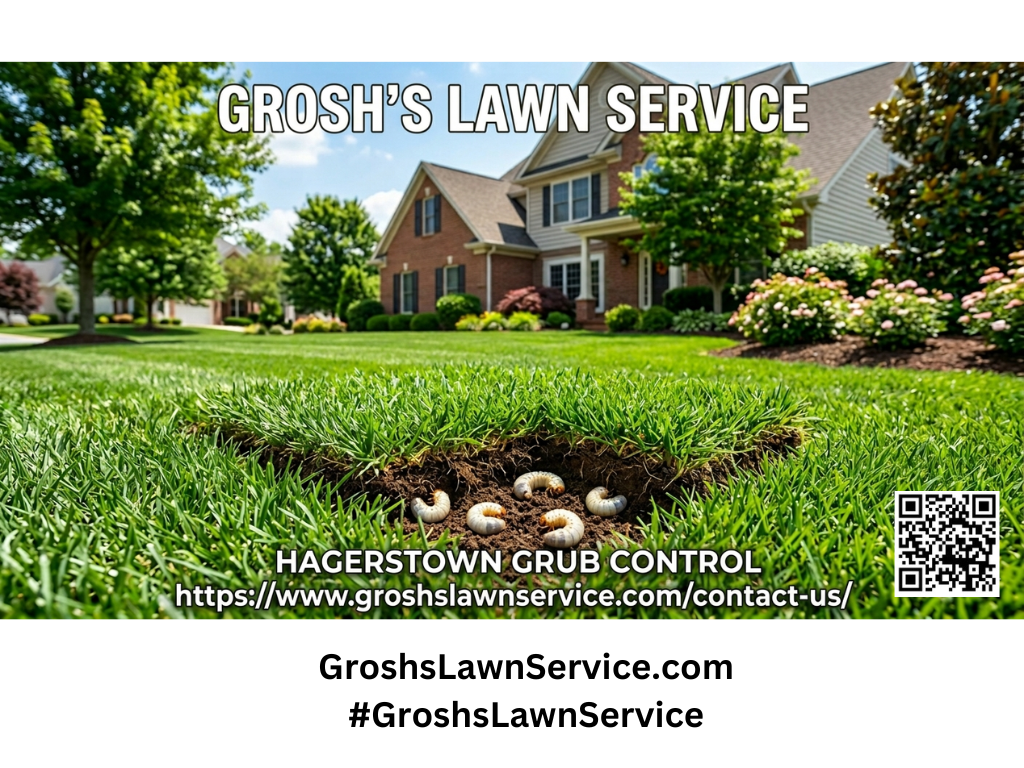
- The Overwintering Phase: As temperatures drop, grubs burrow deeper into the soil to survive the winter, returning to the surface as soil temperatures rise in the spring.
- Strategic Timing: Our Professional Lawn Care programs are specifically timed to intervene before grubs reach the mature larval stage. By applying treatments when the larvae are small and active, we significantly reduce the damage they can inflict on your landscape.
Why Reactive Treatment Fails
Many property owners attempt to treat grubs only after they see visual signs of damage, such as loose, dead patches of grass. By this point, the root system has already been severely compromised, making recovery difficult even with professional intervention.
- The Preventive Difference: Our proactive approach ensures that the protective barrier is in place before the larvae hatch, creating an environment that is inhospitable to pest development.
- Long-Term Turf Health: Because we have 36 years of experience managing lawns in this region, we can predict these windows of activity with high accuracy, ensuring that your lawn stays lush and green regardless of seasonal pest pressures.
Environmental Stewardship: Protecting Our “Green” Sanctuary
For 36 years, Grosh’s Lawn Service has operated with the firm belief that a beautiful landscape should never come at the expense of the local environment. As we manage properties across Maryland, Pennsylvania, and West Virginia, we integrate environmental stewardship into every Lawn Service Grub Treatment we perform.
Sustainable Practices for Modern Landscapes
True Professional Lawn Care requires a balance between effective pest management and the protection of our regional ecosystems. We prioritize methods that keep your lawn healthy while minimizing unnecessary chemical exposure.
- We utilize targeted application methods that ensure products are applied exactly where they are needed, rather than broad-spectrum treatments that could affect the surrounding soil biology.
- Our approach respects the local water features, such as our property’s own pond and the nearby Potomac River, by ensuring our practices do not lead to harmful runoff.
- We believe in fostering a sustainable “green” sanctuary that supports both the aesthetic value of your property and the long-term health of the tristate landscape.

The Value of Long-Term Planning
The longevity of our business is a testament to the trust our clients place in our stewardship. By focusing on sustainable, long-term health rather than quick fixes, we ensure that your turf remains resilient year after year.
- Our 36 years of experience allow us to choose the most effective, least invasive products available for each unique property.
- We maintain a rigorous focus on soil health, recognizing that a strong root system is the first line of defense against pests and environmental stress.
- Every program we design is created with the goal of preserving the natural beauty of the region, from the C&O Canal to the rolling hills of our area.
Frequently Asked Questions (FAQ)
We understand that you may have specific questions regarding the health of your turf and the best way to approach pest management. With 36 years of experience, we have encountered almost every scenario imaginable in the tristate area. Below are answers to some of the most common questions we receive about our services.
How do I know if I have a grub infestation?
The most common signs include irregular brown patches of turf that appear in mid-to-late summer. You may also notice that the turf feels “spongy” underfoot, or that sections of sod can be easily pulled up like a piece of carpet because the roots have been severed. Additionally, increased activity from animals like birds, moles, or skunks digging in your lawn is often a secondary sign that they are feeding on a grub population.
Why is a professional service better than a store-bought product?
- Precision Timing: We understand the regional life cycles of local beetle species and apply treatments during the specific window when they are most effective.
- Application Expertise: Professional equipment ensures uniform coverage, which is critical for Lawn Service Grub Treatment success.
- Soil Knowledge: Our 36 years of experience in Maryland, Pennsylvania, and West Virginia allow us to adjust our methods based on your specific soil type, a nuance that generic store products lack.
Is the treatment safe for my pets and family?
Environmental stewardship is at the heart of our Professional Lawn Care. We follow strict industry guidelines regarding application and safety, and we are always happy to discuss our product choices with you to ensure you feel comfortable with the care we provide to your property.
How long does it take for a lawn to recover from grub damage?
Recovery time depends on the severity of the initial damage and the overall health of your soil. In many cases, once the pests are under control, we can implement overseeding and specialized feeding programs to help your lawn regain its density and vibrant green color.
Client Success Stories & Lawn Recovery
Over our 36 years of operation, we have seen countless lawns across Maryland, Pennsylvania, and West Virginia undergo incredible transformations. While every property has its own unique challenges, our commitment to expert Lawn Service Grub Treatment remains consistent. We have documented many of these success stories, showing how a professional, data-driven approach can turn a struggling, infested yard into a lush, vibrant green sanctuary.
When you review our client experiences, you will see a recurring theme: the value of proactive, seasonal care over reactive measures. Many of our clients came to us after struggling with DIY solutions that failed to address the root of the problem—literally. By switching to our Professional Lawn Care programs, they found that they could stop the cycle of damage and enjoy a thicker, healthier, and more resilient lawn throughout the entire growing season.
We take immense pride in these results. Your trust over these past 36 years is what drives us to continue refining our techniques and staying at the forefront of turf management in our tristate region. We invite you to see the real-world results of our work and learn how we can help you achieve the same level of excellence on your own property. Grosh’s Lawn Service, Lawn Service Grub Treatment and Professional Lawn Care.
Advanced Lawn Watering Techniques for Optimal Turf Health
Proper hydration is the lifeblood of a resilient lawn. Over 36 years of managing properties throughout the tristate area, we have observed that improper watering is the most common reason for lawn stress, shallow root development, and increased vulnerability to pests like grubs. Achieving a lush, green landscape requires shifting from a “set it and forget it” mindset to a more strategic, science-based approach.
The Science of Deep Root Irrigation
The primary goal of watering is to encourage grass roots to grow deep into the soil profile.
- Encouraging Vertical Growth: When you water frequently but lightly, moisture only penetrates the top inch or two of the soil. This encourages roots to stay near the surface, where they are susceptible to heat and drought.
- The Deep Soak Method: By applying water less frequently but in larger quantities, you force moisture deeper into the soil. This creates a “training” effect, signaling roots to dive deeper in search of water, which anchors the turf more securely and builds tolerance against dry spells.
Timing: The Importance of Morning Hydration
The time of day you water can be just as important as the amount of water applied.
- Minimize Evaporation: Watering in the early morning—ideally between 5:00 AM and 9:00 AM—minimizes water loss due to evaporation caused by the sun and heat.
- Disease Prevention: Watering at night can leave grass blades wet for an extended period, which creates the damp, dark environment that fosters fungus and lawn diseases. By watering in the morning, you allow the sun to naturally dry the grass blades as the day progresses.
Regional Soil Absorption Rates
Different soil compositions require different watering strategies to avoid runoff and maximize absorption.
- Heavy Clay Soils: These soils have slow absorption rates. If you apply water too quickly, it will pool on the surface and run off before it can soak in. We recommend a “cycle and soak” method, where you water for 10 minutes, take a break to allow the water to infiltrate, and then water again.
- Shale and Sandy Soils: These soils drain rapidly. Watering sessions for these areas often need to be shorter but more frequent, or they require a steady, low-pressure flow to ensure the water is actually utilized by the root zone rather than draining away into the subsoil. Grosh’s Lawn Service, Lawn Service Grub Treatment and Professional Lawn Care.
Monitoring and Adjustments
- Gauge Your Application: Use a simple rain gauge or a straight-sided container to measure exactly how much water your lawn is receiving. Most established lawns in our region require approximately one inch of water per week, including rainfall.
- Seasonal Adaptation: Your watering strategy should evolve with the seasons. During the height of a humid summer, you may need to increase your irrigation to combat high evapotranspiration rates, while in the cooler autumn months, your watering schedule should be tapered back to match the lawn’s reduced growth rate.
Mastering Seasonal Lawn Health Maintenance
Achieving a vibrant, healthy lawn requires more than just occasional mowing; it demands a comprehensive understanding of how your turf responds to the shifting seasons. Over our 36 years of service, we have developed a seasonal care philosophy that aligns with the unique climate patterns of our tristate region.
Spring: Preparing for Growth
As the soil warms, your lawn wakes up from its winter dormancy. This is the most critical time to set the stage for the rest of the year.
- Early Nutrient Balancing: Proper fertilization in the spring provides the energy boost needed for healthy leaf development.
- Assessment of Winter Damage: Spring is the time to identify where winter moisture or freezing temperatures may have thinned your grass, allowing for early intervention.
- The Importance of Grub Prevention: Implementing your Lawn Service Grub Treatment during the spring ensures a protective barrier is active before peak pest activity begins. Grosh’s Lawn Service, Lawn Service Grub Treatment and Professional Lawn Care.
Summer: Maintenance and Protection
Summer in our region brings both heat and humidity. Your goal shifts from growth to protection and survival.
- Strategic Watering: Deep, infrequent watering is superior to light, daily sessions, as it encourages roots to grow deeper into the soil, providing better drought resistance.
- Height Considerations: Maintaining a taller grass height during peak summer months provides shade to the soil, reducing evaporation and suppressing weed germination.
- Monitoring Pests: Vigilance is key during the summer. Even with a proactive treatment plan, we monitor for signs of secondary stressors that could weaken your lawn.
Autumn: The Season of Restoration
Autumn is arguably the most important season for long-term lawn health in Maryland, Pennsylvania, and West Virginia.
- Overseeding and Repair: The cooling temperatures and increased soil moisture make autumn the perfect time for overseeding, helping to fill in bare spots and thicken your turf.
- Deep Root Feeding: Preparing your lawn for the winter involves ensuring that roots have access to essential nutrients to store energy for the dormant months ahead.
- Soil Amendment: Taking time in the fall to test and balance your soil pH ensures that your lawn has the optimal environment for nutrient absorption in the coming year. Grosh’s Lawn Service, Lawn Service Grub Treatment and Professional Lawn Care.
Winter: Dormancy and Planning
While your grass may look dormant, it is still a living plant requiring minimal but essential care.
- Debris Removal: Clearing leaves and debris prevents mold and disease, which can thrive in the cool, damp conditions of winter.
- Equipment Maintenance: We use the winter months to service our own professional-grade equipment, ensuring that when the first signs of spring arrive, we are ready to hit the ground running with the most reliable tools in the industry.
Our Commitment to Excellence
At Grosh’s Lawn Service, we prioritize environmental stewardship and long-term turf health. Our Professional Lawn Care programs are designed to be sustainable, effective, and tailored to your specific property needs. We use industry-standard products and precise application techniques to ensure that your yard remains a green sanctuary for your family to enjoy.
Join Our Community
We are proud of the relationships we have built with our clients over the past 36 years. We invite you to see why homeowners throughout the region trust us with their lawn maintenance needs.
See What Our Clients Say: https://www.groshslawnservice.com/best-lawn-service-reviews/
Read Our Latest Lawn Care Tips: https://groshslawnservice.blogspot.com/
Connect With Our Community: https://www.facebook.com/GroshsLawnServiceLLC
Visit our lawn care treatment page at: https://www.groshslawnservice.com/lawn-care-treatments/
Contact Karen and Tom Grosh today at https://www.groshslawnservice.com/contact-us/ to schedule your lawn care treatment program. 📞

All rights reserved. An official production of Grosh’s Lawn Service, Lawn Service Grub Treatment and Professional Lawn Care.